
What Does Liability Insurance Cover? A Complete Guide for Beginners
Liability insurance is one of the most important types of coverage you can have, yet many people don’t fully understand what it protects them from. Whether you’re driving your car, running a business, or simply living your daily life, liability insurance can be the safety net that prevents financial disaster when accidents happen. This comprehensive guide will walk you through everything you need to know about liability insurance coverage, from the basics to the specific situations it protects you from.
Liability insurance is designed to protect you financially when you’re found legally responsible for causing injury to someone else or damaging their property. Think of it as a shield that stands between your personal assets and the potential lawsuits or claims that could arise from accidents or incidents where you’re at fault. Without adequate liability coverage, you could be personally responsible for paying medical bills, property repairs, legal fees, and even settlements that could run into hundreds of thousands or even millions of dollars.
The peace of mind that comes with proper liability coverage is invaluable. Imagine accidentally causing a car accident that injures multiple people, or a customer slipping and falling in your business. These situations can happen to anyone, and the financial consequences can be devastating without the right insurance protection. That’s why understanding what liability insurance covers is crucial for everyone, regardless of whether you’re a homeowner, business owner, or simply someone who wants to protect their financial future.
Understanding the Basics of Liability Insurance
Liability insurance operates on a simple principle: if you cause harm to someone else or their property, your insurance company will help cover the costs up to your policy limits. This coverage typically includes both bodily injury liability and property damage liability, though the specific types of coverage can vary depending on the policy and situation.
When you purchase liability insurance, you’ll notice that policies have coverage limits, usually expressed as three numbers like 100/300/50. These numbers represent thousands of dollars and indicate how much your insurance will pay for different types of claims. The first number is the maximum amount your insurance will pay for bodily injury per person, the second is the maximum per accident, and the third is the maximum for property damage per accident.
It’s important to understand that liability insurance only covers damages you cause to others – it doesn’t cover your own injuries or property damage. For that, you would need additional coverage like collision insurance for your car or personal injury protection. This distinction is crucial when choosing your insurance coverage and understanding what protection you actually have.
What Auto Liability Insurance Covers
Auto liability insurance is perhaps the most common type of liability coverage, and it’s required in almost every state. This coverage protects you when you’re at fault in a car accident that causes injury to others or damages their property. The coverage typically includes two main components: bodily injury liability and property damage liability.
Bodily injury liability covers medical expenses, lost wages, and pain and suffering for people injured in an accident you cause. If you’re in a serious accident that injures multiple people, this coverage can be crucial since medical bills and other expenses can quickly add up to substantial amounts. Property damage liability covers the cost of repairing or replacing other people’s vehicles or property that you damage in an accident.
Many drivers make the mistake of only carrying the minimum liability coverage required by their state, which is often insufficient for serious accidents. For example, if the minimum coverage in your state is 25/50/25 (meaning $25,000 per person for bodily injury, $50,000 per accident for bodily injury, and $25,000 for property damage), a single serious accident could easily exceed these limits. That’s why it’s often wise to carry higher liability limits to ensure you’re adequately protected.
Homeowners Liability Insurance Coverage
Your homeowners insurance policy includes liability coverage that protects you in various situations that occur on your property or sometimes even away from it. This coverage can be a lifesaver when accidents happen at home, such as a guest slipping on your icy walkway, your dog biting someone, or a child’s friend getting injured while playing in your yard.
Homeowners liability insurance typically covers medical payments to others, which means your insurance will pay for medical expenses if someone is injured on your property, regardless of who was at fault. This coverage usually has lower limits than your overall liability coverage but can help prevent minor incidents from turning into major legal battles. It also covers legal defense costs if you’re sued for an incident covered by your policy.
One often-overlooked aspect of homeowners liability coverage is that it can extend to incidents that happen away from your home. For instance, if your child accidentally damages someone’s property while at school, or if you accidentally hit a golf ball through someone’s window at the local course, your homeowners liability coverage might help cover those costs. This broad protection makes homeowners liability insurance an essential part of your overall financial protection strategy.
Business Liability Insurance Essentials
If you own a business, liability insurance becomes even more critical since you face additional risks from customers, clients, and the general public interacting with your business operations. Business liability insurance comes in various forms, including general liability, professional liability, and product liability, each designed to protect against specific types of business risks.
General liability insurance for businesses covers third-party bodily injury, property damage, and personal injury claims that occur in connection with your business operations. This could include a customer slipping in your store, damage to a client’s property while you’re working on their site, or advertising injury claims like slander or copyright infringement. The coverage can literally mean the difference between your business surviving a lawsuit or going under due to legal costs and settlements.
Professional liability insurance, also known as errors and omissions insurance, protects businesses that provide professional services or advice. This coverage is essential for doctors, lawyers, accountants, consultants, and other professionals who could be sued for mistakes, negligence, or failure to perform their professional duties. Product liability insurance protects manufacturers and sellers from claims related to defective products that cause injury or damage to consumers.
Umbrella Insurance: Extra Liability Protection
For those who want additional protection beyond the standard liability limits on their auto or homeowners policies, umbrella insurance provides an extra layer of security. An umbrella policy kicks in when the liability coverage on your underlying policies (like auto or homeowners) is exhausted, providing additional coverage that can range from $1 million to $5 million or more.
Umbrella insurance is particularly valuable for high-net-worth individuals, but it can benefit anyone who wants extra protection against catastrophic liability claims. The relatively low cost of umbrella coverage compared to the amount of protection it provides makes it an excellent value for many people. For example, a $1 million umbrella policy might cost only a few hundred dollars per year while providing coverage that could save you from financial ruin in a serious accident or lawsuit.
The coverage provided by an umbrella policy is broader than standard liability insurance in many ways. It can cover situations that might not be included in your underlying policies, such as certain types of libel and slander claims, and it can provide worldwide coverage for incidents that occur anywhere in the world. This comprehensive protection makes umbrella insurance a smart choice for anyone concerned about protecting their assets from major liability claims.
What Liability Insurance Doesn’t Cover
While liability insurance provides crucial protection, it’s equally important to understand what it doesn’t cover. Liability insurance is designed to protect you when you’re at fault for causing injury or damage to others, but it won’t cover your own injuries, damage to your own property, or intentional acts that cause harm.
For instance, if you’re in a car accident and it’s determined to be your fault, your liability insurance will cover the other driver’s injuries and vehicle damage, but it won’t pay for your medical bills or car repairs. You would need collision coverage and medical payments coverage or personal injury protection for that. Similarly, if someone intentionally damages your property or injures you, liability insurance typically won’t cover those situations since it’s designed for accidental incidents.
Business owners should also be aware that general liability insurance doesn’t cover everything. It won’t cover damage to your own business property (you’d need property insurance for that), employee injuries (workers’ compensation insurance covers that), or professional mistakes in services you provide (you’d need professional liability insurance). Understanding these limitations is crucial for ensuring you have the right mix of insurance coverage for your specific needs.
How to Choose the Right Liability Coverage
Choosing the right amount of liability coverage requires balancing your need for protection against the cost of premiums. As a general rule, you should carry enough liability coverage to protect your assets in case of a major lawsuit. If you have significant savings, investments, or other assets, you’ll want higher liability limits to protect those assets from being seized to pay for damages you cause.
For auto insurance, many experts recommend carrying at least $100,000 per person and $300,000 per accident in bodily injury liability, plus $100,000 in property damage liability. These amounts provide much better protection than state minimum requirements and can help prevent you from being personally responsible for costs that exceed your coverage limits. For homeowners, liability coverage of at least $300,000 is often recommended, though many people opt for higher limits or umbrella policies for additional protection.
When choosing liability coverage for your business, consider the specific risks associated with your industry and the size of your business. A small retail store will have different liability needs than a construction company or a medical practice. Consulting with an insurance professional who understands your industry can help you determine the right types and amounts of liability coverage for your business.
The Cost of Liability Insurance
The cost of liability insurance varies widely depending on the type of coverage, the amount of protection you choose, and various personal and business factors. Auto liability insurance is typically included in your overall car insurance premium, and the cost depends on factors like your driving record, the type of car you drive, and where you live. Generally, increasing your liability limits doesn’t dramatically increase your premium, making it a cost-effective way to get better protection.
Homeowners liability coverage is usually included in your homeowners insurance premium, and increasing your liability limits typically costs relatively little. Adding an umbrella policy for extra liability protection is often surprisingly affordable, with premiums for $1 million in coverage typically ranging from $150 to $300 per year. This makes umbrella insurance one of the best values in the insurance world for the amount of protection it provides.
Business liability insurance costs vary significantly based on your industry, business size, location, and claims history. A small office-based business will pay much less for liability insurance than a manufacturing company with significant product liability risks. Getting quotes from multiple insurance providers and working with an insurance broker who specializes in your industry can help you find the best coverage at the most competitive price.
Filing a Liability Insurance Claim
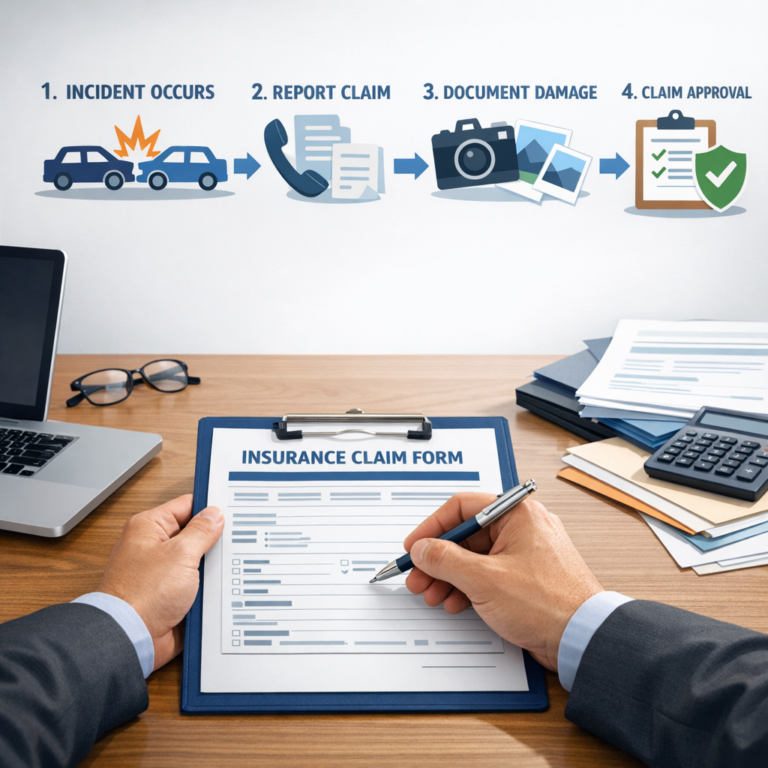
When you need to file a liability insurance claim, the process is similar whether it’s for auto, homeowners, or business insurance. The key is to act quickly and provide thorough documentation of the incident. Contact your insurance company as soon as possible after an incident occurs, even if you’re not sure whether you’ll be found at fault. Many policies require prompt notification of potential claims.
When filing a claim, be prepared to provide detailed information about what happened, including the date, time, and location of the incident, the names and contact information of everyone involved, and any witness statements or contact information. Take photos of any damage or injuries, and keep all medical bills, repair estimates, and other documentation related to the claim. Your insurance company will investigate the claim and determine coverage and liability based on the policy terms and the circumstances of the incident.
It’s important to be honest and thorough when reporting incidents to your insurance company. Withholding information or providing inaccurate details can jeopardize your coverage and potentially lead to claim denial. If you’re unsure about what to report or how to handle a situation, consult with your insurance agent or a legal professional who can guide you through the process.
Frequently Asked Questions About Liability Insurance
What’s the difference between full coverage and liability insurance? Full coverage typically refers to a combination of liability coverage plus comprehensive and collision coverage for your own vehicle. Liability insurance only covers damage you cause to others, while full coverage also protects your own vehicle against various types of damage, regardless of fault.
Is liability insurance required by law? For auto insurance, most states require a minimum amount of liability coverage to legally drive. Homeowners insurance with liability coverage isn’t legally required, but mortgage lenders typically require it. Business liability insurance requirements vary by industry and location, with some professions and business types requiring specific types of liability coverage.
Can liability insurance rates increase after a claim? Yes, filing a liability claim can potentially increase your insurance rates, especially if you’re found to be at fault. However, the impact varies depending on the insurance company, the severity of the incident, and your overall claims history. Some companies offer accident forgiveness programs that may prevent your first accident from affecting your rates.
How much liability coverage do I really need? The amount of liability coverage you need depends on your assets and risk tolerance. As a general rule, carry enough liability coverage to protect your assets in case of a major lawsuit. Many experts recommend liability limits of at least $100,000 per person and $300,000 per accident for auto insurance, and similar or higher amounts for homeowners liability coverage.
Does liability insurance cover legal defense costs? Yes, liability insurance typically covers legal defense costs in addition to any settlements or judgments against you, up to your policy limits. This can include attorney fees, court costs, and other legal expenses associated with defending against a liability claim. This coverage is a crucial benefit since legal defense costs can be substantial even if you’re ultimately found not liable.
Conclusion
Liability insurance is a fundamental part of protecting your financial future and providing peace of mind in an unpredictable world. Whether you’re driving your car, owning a home, or running a business, the right liability coverage can be the difference between a minor inconvenience and a major financial catastrophe. Understanding what liability insurance covers, how it works, and how much coverage you need is essential for making informed decisions about your insurance protection.
The key takeaways are that liability insurance protects you when you’re legally responsible for causing injury to others or damaging their property, that coverage limits matter significantly, and that the relatively small cost of additional liability protection is usually well worth the peace of mind it provides. Whether you’re considering increasing your auto liability limits, adding an umbrella policy to your homeowners coverage, or ensuring your business has adequate liability protection, taking the time to understand and optimize your liability insurance coverage is one of the smartest financial decisions you can make.
Remember that insurance needs vary based on individual circumstances, so it’s always wise to consult with insurance professionals who can help you assess your specific risks and recommend appropriate coverage levels. With the right liability insurance in place, you can face life’s uncertainties with confidence, knowing that you’re protected against the potentially devastating financial consequences of accidents and incidents where you’re found to be at fault.