
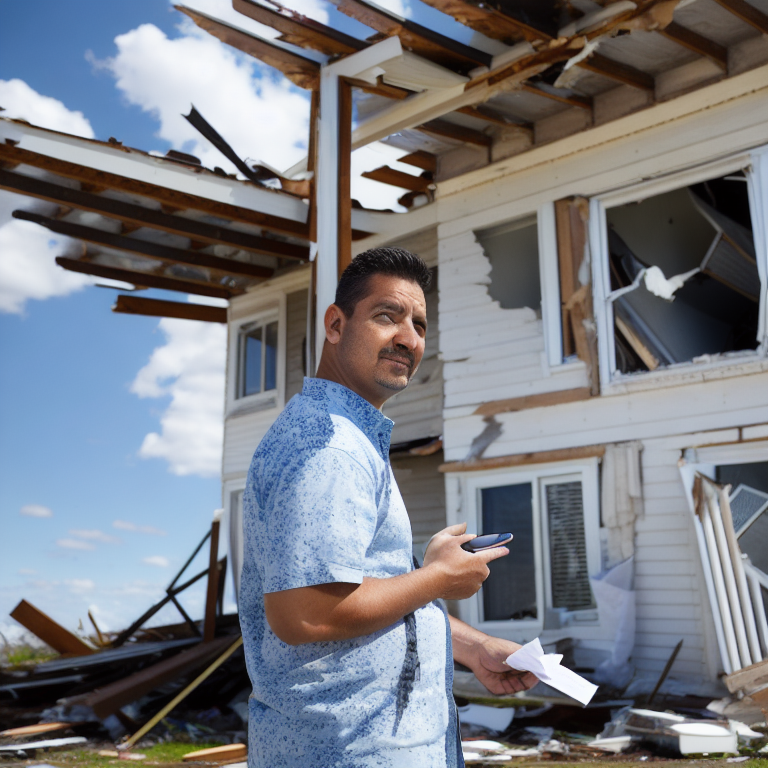
How to File a Successful Insurance Claim After a Natural Disaster
When a natural disaster strikes, the damage to your home or property can feel overwhelming. Filing an insurance claim might seem like a daunting task, especially when you’re already dealing with the stress of recovery. But taking the right steps can make all the difference in getting the compensation you need to rebuild. This guide walks you through everything from documenting damage to negotiating with your insurer, so you can file a successful claim and start moving forward.
Start with Safety and Documentation
Before you even think about calling your insurance company, make sure you and your family are safe. Natural disasters can leave behind hazards like downed power lines, broken glass, or unstable structures. Wait for official clearance before returning to your property. Once it’s safe, your first priority is to document every bit of damage.
Take clear, detailed photos and videos of all affected areas. Don’t just focus on the obvious—capture close-ups of broken windows, water stains, or roof damage, as well as wide shots that show the overall scene. Make a written list of everything that’s been damaged or destroyed, including items inside your home. This documentation is your evidence, and it will be crucial when you file your claim.
Keep in mind that some insurers now accept digital submissions, so having your photos and lists ready to upload can speed up the process. If you’re unsure about what to document, think about what you’d need to replace everything from furniture to clothing. The more thorough you are now, the smoother your claim will go later.
Review Your Insurance Policy
Once you’ve documented the damage, it’s time to dig out your insurance policy. This might not be the most exciting task, but it’s essential. Look for details about what types of natural disasters are covered—floods, earthquakes, hurricanes, and wildfires often require separate policies or endorsements. If you’re not sure, check with your agent or look for terms like “dwelling coverage,” “personal property coverage,” and “additional living expenses.”
Pay attention to your deductible, which is the amount you’ll need to pay out of pocket before your insurance kicks in. Some policies have separate deductibles for certain disasters, especially in high-risk areas. Understanding these details will help you set realistic expectations for your claim.
If you find gaps in your coverage, don’t panic. Many people are surprised to learn that standard homeowners insurance doesn’t cover all types of damage. For example, if you live in a flood-prone area but don’t have flood insurance, you may need to explore other assistance options. It’s also a good idea to review your policy limits—if your coverage isn’t enough to rebuild, you might need to consider supplemental insurance for the future.
Contact Your Insurance Company Promptly
Timing matters when filing a claim after a natural disaster. Most insurers have strict deadlines for reporting damage, so don’t wait too long. As soon as you’re able, call your insurance company or use their online portal to start the claims process. Be ready to provide your policy number, a summary of the damage, and any documentation you’ve gathered.
When you speak with your insurer, ask for the name and contact information of the claims adjuster who will handle your case. This person will be your main point of contact, so it’s helpful to know who to reach out to if you have questions. Also, ask about the next steps and what information they’ll need from you.
It’s a good idea to keep a log of all your communications with the insurance company. Write down the date, time, and name of anyone you speak with, along with a brief summary of the conversation. This can be invaluable if there are any disputes or misunderstandings later on.
Mitigate Further Damage
After a disaster, it’s your responsibility to prevent additional damage to your property. This is called “mitigation,” and it’s a key part of the claims process. For example, if a tree has fallen through your roof, you should cover the hole with a tarp to keep out rain. If pipes have burst, turn off the water supply to prevent flooding.
Take photos before and after you make any temporary repairs, so your insurer can see the extent of the damage. Keep all receipts for materials and labor—these costs may be reimbursed as part of your claim. However, avoid making permanent repairs until your adjuster has inspected the property, as this could affect your payout.
If you’re unsure about what to do, your insurance company or a professional restoration service can offer guidance. The goal is to protect your property from further harm while preserving evidence for your claim.
Understand the Claims Process
Once you’ve filed your claim, the insurance company will assign an adjuster to assess the damage. This person will visit your property, review your documentation, and determine how much the insurer will pay for repairs or replacements. It’s important to be present during the inspection so you can point out all areas of concern and answer any questions.
The adjuster will likely provide a report with their findings and an initial settlement offer. Review this carefully. If you disagree with their assessment, you have the right to dispute it. You can request a second inspection, provide additional evidence, or even hire a public adjuster to advocate on your behalf.
Public adjusters are licensed professionals who work for you, not the insurance company. They can help maximize your settlement, but they charge a fee—usually a percentage of the final payout. For large or complex claims, their expertise can be worth the cost.
Keep Detailed Records
Throughout the claims process, organization is your best friend. Create a file—physical or digital—where you keep all your documents, including photos, receipts, estimates, and correspondence with your insurer. This will make it easier to track your claim’s progress and provide evidence if needed.
If you’re displaced from your home, keep receipts for all additional living expenses, such as hotel stays, meals, and transportation. Many policies cover these costs, but you’ll need proof to get reimbursed.
Don’t forget to track your time as well. If you have to take time off work or spend hours on the phone with your insurer, document it. Some policies allow you to claim for your own labor if you handle certain repairs yourself.
Be Prepared for Challenges
Unfortunately, the claims process isn’t always smooth. Insurers may dispute the cause of damage, question the value of your losses, or delay payments. If you run into problems, stay calm and persistent. Review your policy to make sure you understand your rights, and don’t be afraid to ask questions or request clarification.
If negotiations stall, consider seeking help from a lawyer who specializes in insurance claims. They can review your case and advise you on the best course of action. In some cases, filing a complaint with your state’s insurance department can also prompt a faster resolution.
Remember, you have the right to a fair settlement. If you believe your insurer is acting in bad faith—such as denying a valid claim without explanation—you may have grounds for legal action.
Learn from the Experience
Filing a claim after a natural disaster is a learning experience. Once your claim is settled, take some time to review your coverage and consider whether it meets your needs. If you discovered gaps or limitations, now is the time to address them. For example, if you didn’t have flood insurance and live in a high-risk area, adding it could save you from a similar situation in the future.
It’s also wise to update your home inventory regularly. Many people find it hard to remember everything they own after a loss, so keeping a current list—complete with photos and receipts—can make future claims much easier.
Finally, share what you’ve learned with friends and family. The more people understand the claims process, the better prepared they’ll be if disaster strikes.
Frequently Asked Questions (FAQ)
What should I do first after a natural disaster damages my home?
Ensure your family’s safety, then document all damage with photos and videos before making any repairs.
How long do I have to file an insurance claim after a disaster?
Deadlines vary by insurer, but it’s best to contact your company as soon as possible—ideally within a few days.
Will my insurance cover all types of natural disasters?
Not always. Standard policies often exclude certain events like floods or earthquakes, which require separate coverage.
What if I disagree with the insurance adjuster’s assessment?
You can request a second inspection, provide additional evidence, or hire a public adjuster to help negotiate.
Can I make temporary repairs before the adjuster arrives?
Yes, but document the damage first and keep all receipts. Avoid permanent repairs until after the inspection.
How can I speed up the claims process?
Be organized, respond promptly to requests, and keep detailed records of all communications and expenses.
What if my claim is denied?
Review your policy, gather more evidence, and consider appealing the decision or seeking legal advice.
Do I need to keep receipts for temporary repairs?
Yes, these costs may be reimbursed as part of your claim, so save all documentation.
Can I claim for additional living expenses?
If your policy includes this coverage, you can be reimbursed for costs like hotels and meals while your home is uninhabitable.
Should I hire a public adjuster?
If your claim is large or complex, a public adjuster can help maximize your settlement, but be aware of their fees.
Conclusion
Filing an insurance claim after a natural disaster can feel overwhelming, but with the right preparation and persistence, you can navigate the process successfully. Start by ensuring your safety, then document every detail of the damage. Review your policy, contact your insurer promptly, and keep thorough records throughout. Don’t be afraid to advocate for yourself if you encounter challenges, and consider seeking professional help if needed.
Remember, the goal is to rebuild your life and protect your future. By understanding your rights and responsibilities, you’ll be better equipped to handle whatever comes your way. If you found this guide helpful, consider sharing it with others who might benefit—and stay tuned for more tips on managing your insurance needs.